How to Organize an Interior Design Portfolio Website That Tells a Cohesive Story
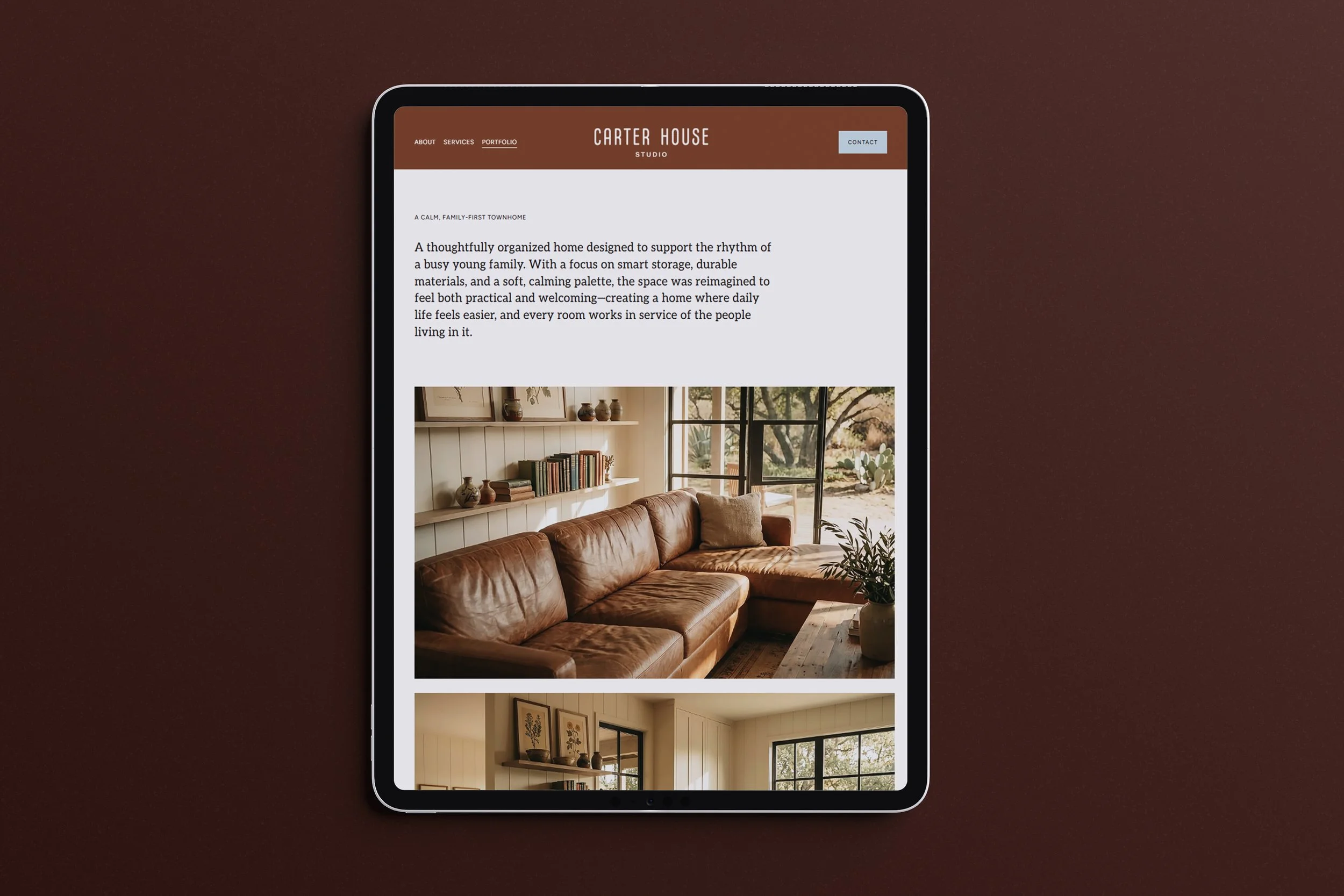
A portfolio is one of the most important parts of an interior designer's website. It gives prospective clients a way to explore your work, understand your aesthetic, and imagine what you might create for them.
But having beautiful project photography isn't always enough.
When projects are presented without a clear structure, visitors may struggle to understand the thinking behind the work or identify the qualities that distinguish your studio. A large portfolio can even feel overwhelming when every project receives the same treatment, regardless of its relevance.
The way you organize your portfolio influences how people experience your work.
Thoughtfully structured interior designers sites make it easier for visitors to explore projects, understand the designer's perspective, and find the information they need. The goal isn't simply to display as many images as possible. It's to create a meaningful presentation of your work.
Whether you're building a portfolio for the first time or reorganizing an established website, these five steps can help you create a more cohesive experience.
1. Which projects should you include in your portfolio?
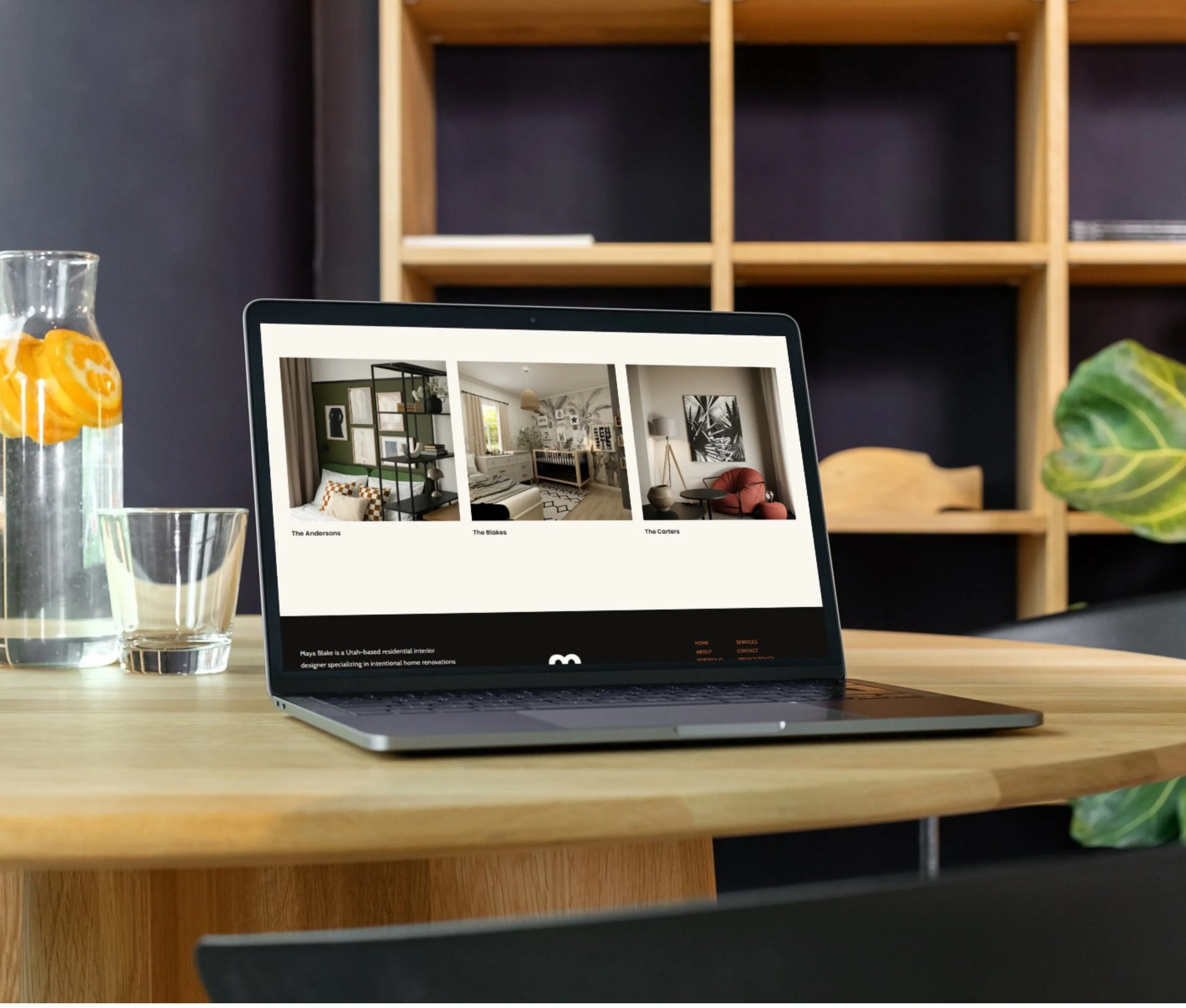
The first step is deciding what deserves to be shown.
It can be tempting to include every completed project, particularly when you've invested considerable time and effort into each one. However, your website doesn't need to document your entire professional history.
Instead, think about what your portfolio should communicate.
Start by identifying the projects that best represent your design approach, demonstrate your capabilities, and align with the work you want to attract.
A project might be especially valuable because it shows your ability to work with challenging architecture, create a cohesive material palette, or balance a client's preferences with practical requirements.
Another might demonstrate your experience with a particular project type or illustrate a design philosophy that appears throughout your work.
Look at your projects as a collection rather than as isolated accomplishments.
Do they communicate a recognizable point of view? Is there a balance between different project types? Do they show enough variety to demonstrate your capabilities without making the studio's focus unclear?
You don't need every project to look identical. A cohesive portfolio can include different aesthetics while still reflecting the designer's approach to planning, materials, proportion, and functionality.
If you have many projects, begin with a shortlist of the strongest examples. You can always expand the portfolio later.
The purpose of curation isn't to hide your experience. It's to help visitors understand your work without having to navigate an unnecessarily large collection.
2. How should you organize projects on your website?
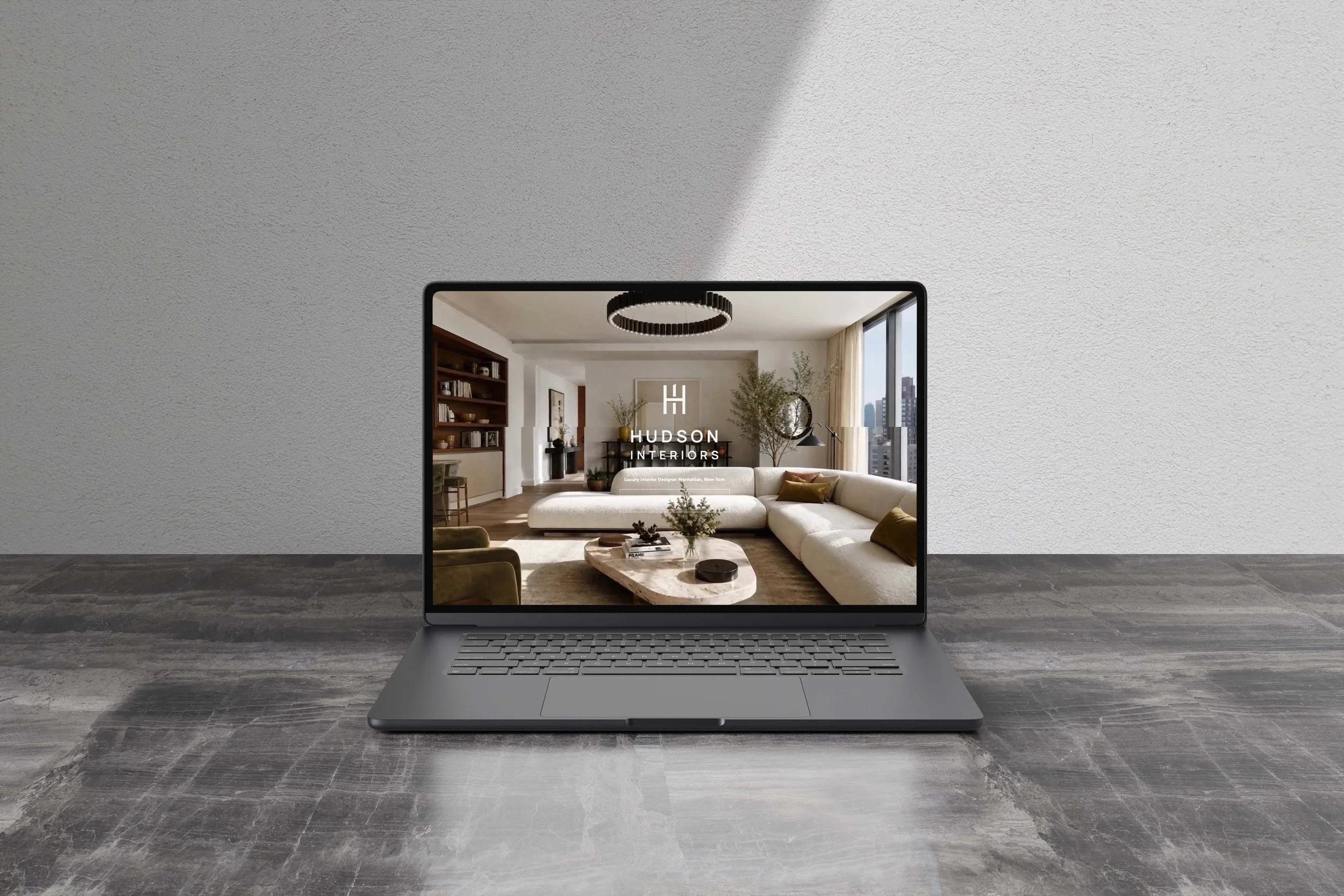
Once you've selected your projects, decide how visitors should explore them.
The right structure depends on the size of your portfolio, the services you offer, and the way your clients typically search for relevant work.
Some studios organize projects by location or project type. Others use descriptive project names or a simple chronological arrangement.
For a small portfolio, a straightforward gallery may be enough. For a larger collection, categories can help visitors narrow their choices.
However, categories should be useful rather than decorative. Creating too many labels can make the portfolio more complicated than necessary.
Consider the questions your visitors might have.
Someone planning a renovation may want to see projects involving similar architectural challenges. A client furnishing a new home may be more interested in completed residential interiors. If your studio offers several distinct services, grouping relevant examples can help people understand each offering.
Each project should also have a clear, descriptive title. Where appropriate, include the project type or location to provide useful context.
Keep navigation consistent so visitors can move between the portfolio overview and individual project pages without getting lost.
When exploring sites for interior designers, notice how different studios handle these decisions. Look at the number of projects displayed, how galleries are organized, and how much information appears before a visitor opens a project.
Use those examples to identify approaches that could work for your own business, rather than copying a structure simply because it looks attractive.
3. How can photography tell a stronger project story?
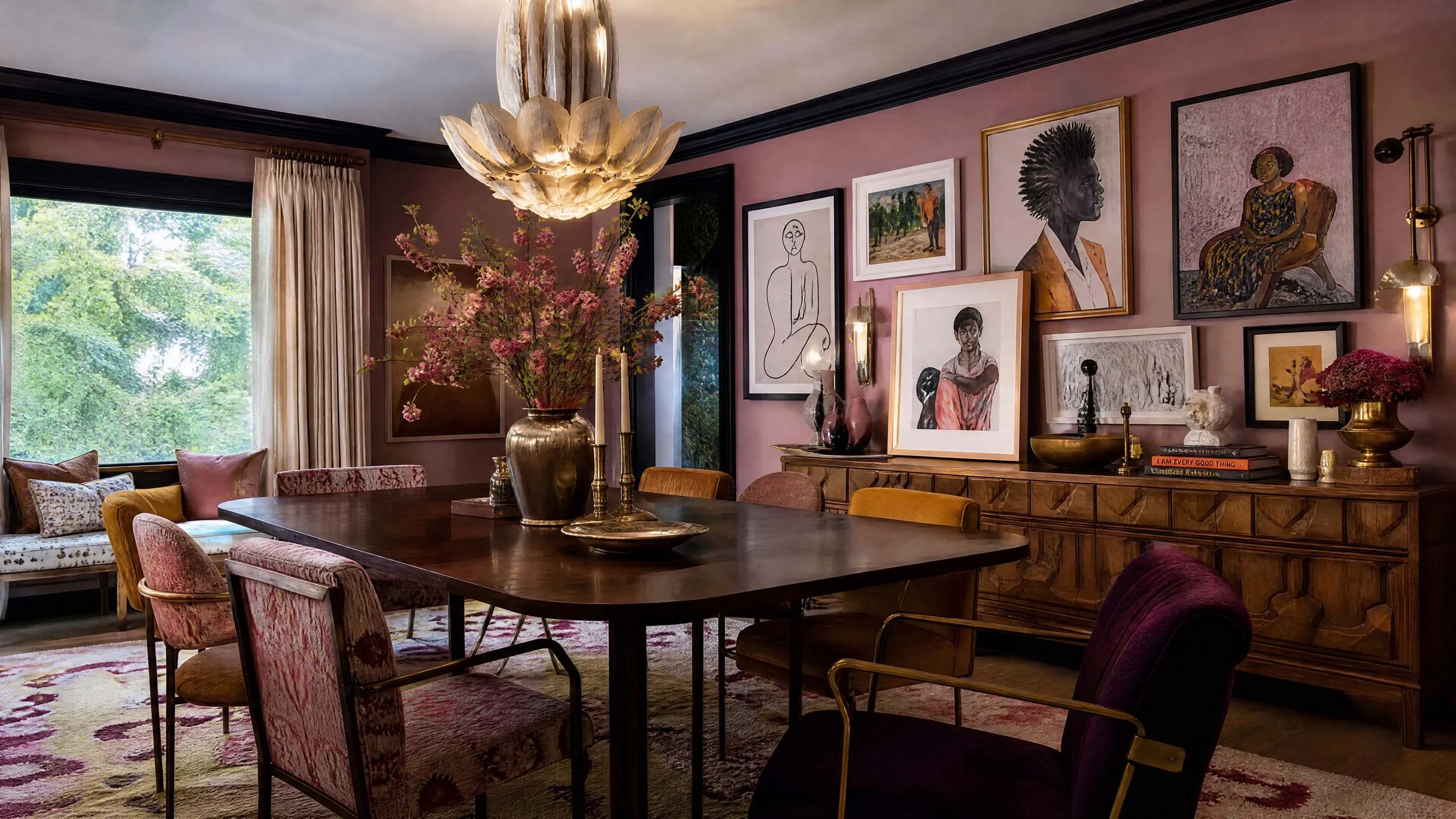
Photography helps visitors understand a space visually, but the sequence of images can make that experience more meaningful.
Start by selecting photographs that establish the overall character of the project.
Wide shots can communicate the layout, architectural features, and relationship between rooms. Medium views show how furniture, lighting, and finishes work together. Detail images reveal materials, textures, and the smaller decisions that give a space its personality.
These image types serve different purposes, so consider how they work together.
A project gallery might begin with a compelling overall image, then move through the main rooms before introducing closer details. The exact sequence depends on the project, but each image should contribute something useful.
Avoid including several nearly identical photographs simply to make a gallery longer. A smaller collection of distinct, well-chosen images can create a clearer impression.
Image quality matters, too. Make sure the photographs represent the project accurately and are presented consistently. Consider how cropping, orientation, and image sizing affect the experience across desktop and mobile devices.
Your portfolio should also respect the photographer's work and any usage agreements associated with the images.
If you don't have professional photography for every project, choose the strongest available images and present them thoughtfully. A carefully curated selection is often more effective than filling gaps with visuals that don't represent your work well.
4. What information should accompany each project?
A portfolio becomes more informative when visitors understand the thinking behind the finished interior.
Project descriptions don't need to be lengthy essays. A few well-written paragraphs can explain the client's needs, the design challenges, and the ideas that shaped the result.
Begin with context. What kind of project was it? What did the client need? Were there particular architectural features, functional concerns, or aesthetic preferences that influenced the design?
Then explain the approach.
Perhaps you reorganized the layout to improve circulation, selected materials to complement existing architectural details, or used a more considered lighting plan to change the atmosphere of the space.
Finally, describe the result in terms that are supported by the project itself.
Avoid generic descriptions that could apply to every interior. Specific details make each case study more useful and help demonstrate your expertise.
For example, instead of simply describing a living room as timeless and inviting, explain how the furniture arrangement, material palette, and lighting choices contributed to the intended atmosphere.
Keep the writing clear and accessible. Prospective clients don't necessarily need technical terminology to appreciate a thoughtful design decision.
These descriptions also help connect your portfolio to the rest of your website. You can link relevant projects to your services page, explain how a particular offering applies to the project, or invite visitors to explore related work.
5. How can your portfolio guide visitors toward an inquiry?
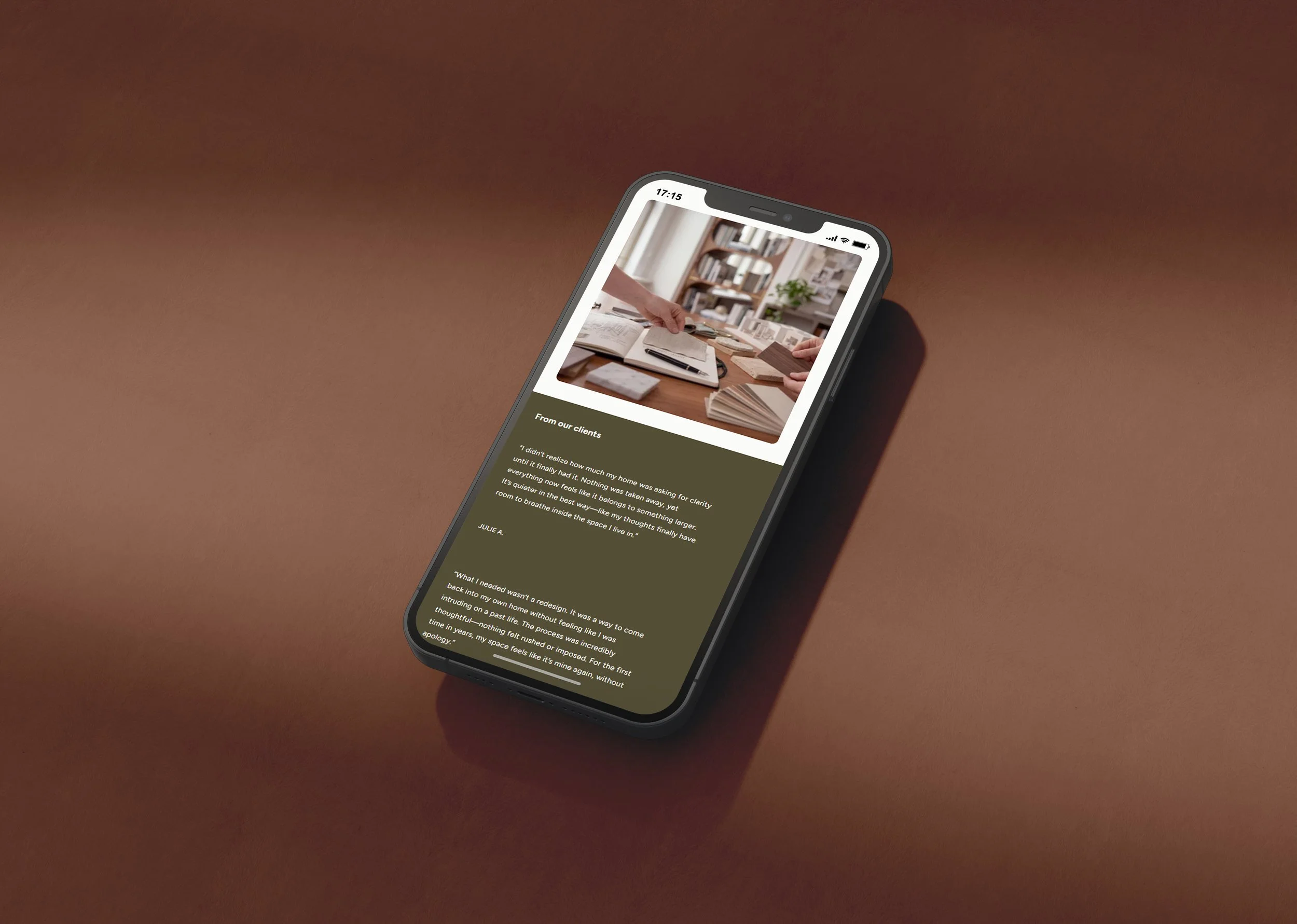
Your portfolio should make it easy for interested visitors to understand what to do next.
Someone who has explored several projects may want to learn more about your services or discuss a similar project of their own. If the website doesn't provide a clear next step, that person may leave without discovering how to work with you.
You don't need an aggressive sales message on every page.
Instead, provide relevant links at natural points in the experience.
A project page might link to your services page or invite visitors to explore another related project. The portfolio overview could include a short introduction explaining the types of work you undertake. A clear contact link should remain easy to find.
Consider whether your services and inquiry process are explained elsewhere on the website. The portfolio should support those pages rather than attempting to answer every question itself.
Mobile usability is equally important. Visitors should be able to view images comfortably, read project descriptions, and navigate between pages without unnecessary friction.
Review the portfolio as if you were a potential client encountering the studio for the first time. Does it communicate the quality and range of the work? Can you understand the designer's approach? Is it easy to find out what the studio offers?
These questions can reveal opportunities to improve the experience.
Creating a Portfolio That Reflects Your Studio
Well-organized interior designers sites do more than display beautiful photography. They help visitors understand the work, recognize the designer's perspective, and explore relevant services.
Start by curating your strongest projects, organizing them in a useful way, and presenting photographs in a sequence that communicates the space. Add descriptions that explain the thinking behind each design, then provide clear links to relevant pages.
You don't need an elaborate portfolio to make a strong impression. A smaller, carefully structured collection can communicate your studio's identity more effectively than a large gallery without direction.
As your business grows, revisit the portfolio to ensure it reflects the work you want to pursue. Remove outdated examples when appropriate, add stronger projects, and improve descriptions when you have more useful information to share.
Your portfolio is an evolving presentation of your studio, not simply an archive of completed work.
If your current website makes it difficult to showcase projects or communicate your design approach, a more considered structure can help bring everything together.
Explore The Art of You's website design services to learn how thoughtful portfolio organization and website design can help present your studio's work with greater clarity.